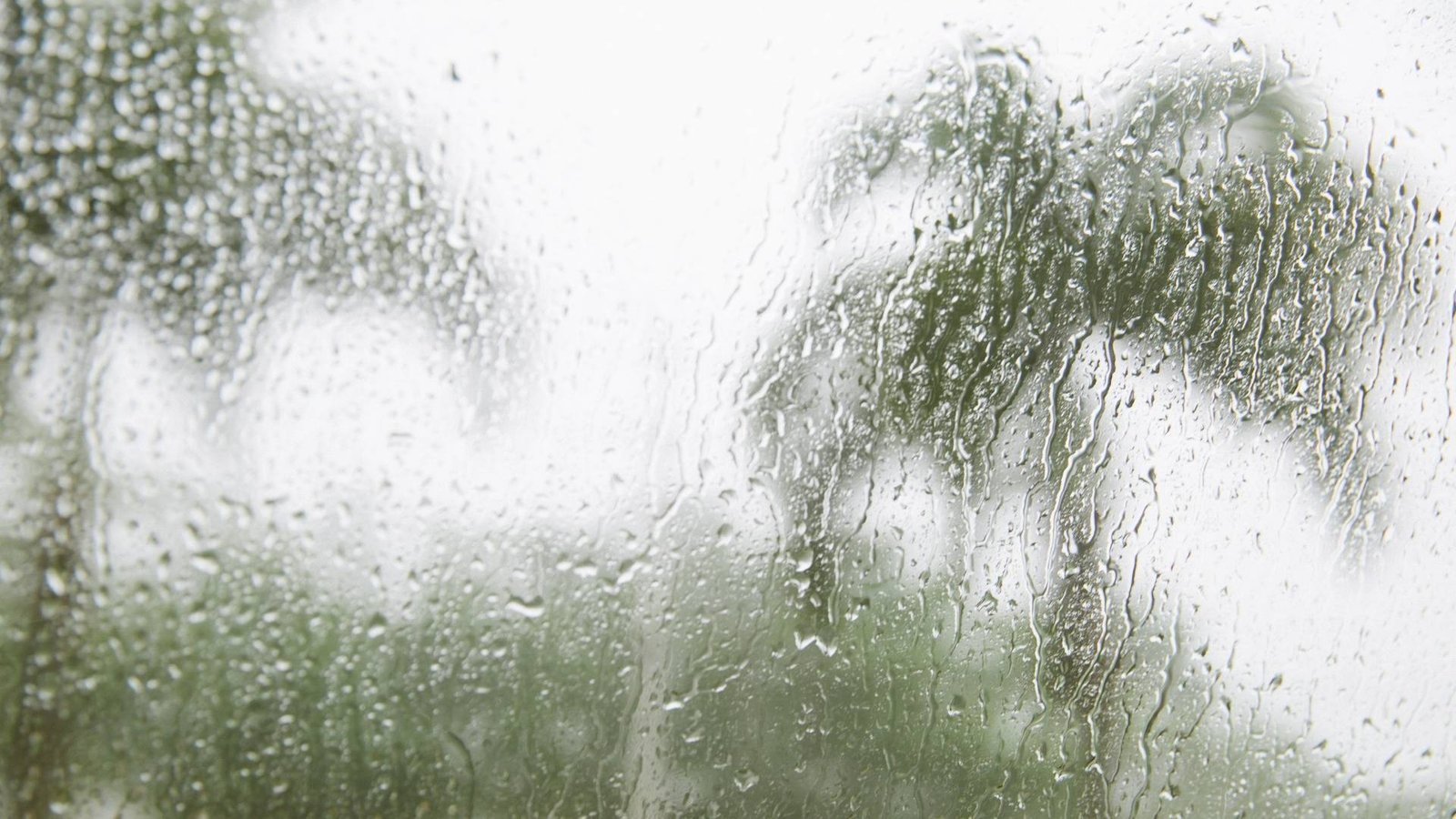
Waterproofing is the unsung hero of tropical villa durability. In Phuket’s relentless monsoon rains, high humidity, and corrosive salt air, the right waterproofing system can mean the difference between a resilient, long-lasting home and costly structural failures.
This guide focuses on liquid-applied polyurethane membranes, exploring why they might outperform alternatives in tropical island climates, how to specify and install them correctly, and what maintenance strategies ensure lasting protection.
Why Polyurethane Membranes Excel in Phuket’s Tropical Climate
Unlike brittle cementitious coatings or vulnerable sheet membranes, liquid polyurethane forms a seamless, flexible barrier that moves with the building. This continuous membrane eliminates weak points where water typically infiltrates, such as roof penetrations, parapets, and junctions.
Phuket’s flat concrete roofs and balconies expand and contract with heat and moisture. Polyurethane’s elasticity prevents cracking or delamination, common failures in rigid systems. For exposed surfaces, UV-resistant formulations are essential to prevent premature degradation under Phuket’s intense tropical sun.
Installation: Precision and Preparation Are Critical
Successful waterproofing demands more than just applying the membrane. Surfaces must be clean, dry, and free from movement cracks. A gentle slope is crucial to prevent water pooling, which can undermine membrane integrity.
Polyurethane is usually applied in two coats, with strict control over thickness and curing times. Joints, such as parapets or flashing intersections, require sealing with UV-stable silicone or compatible sealants to maintain a watertight envelope.
In coastal zones, concrete substrates may suffer from salt contamination or high alkalinity, which can impair adhesion. Using a primer designed for alkaline surfaces ensures proper bonding. Always conduct a test patch before full application.
Comparing Waterproofing Alternatives
- Cementitious coatings are affordable and easy to apply but are rigid and prone to cracking as substrates shift.
- Sheet membranes theoretically provide coverage but suffer from joint vulnerabilities, especially under heavy tropical rains.
- Bitumen systems resist water but degrade under heat and UV exposure, making them less suitable for coastal villas.
While each system has its merits, polyurethane membranes offer good long-term resilience for roofs, balconies, and terraces exposed to Phuket’s tropical stresses.
Maintenance and Longevity
No waterproofing is permanent. Regular inspections (especially at joints, drainage points, and seams) are essential to catch wear early. Effective drainage design, including scuppers and outlets, complements waterproofing by swiftly removing water.
Polyurethane membranes will eventually require reapplication. Factoring this into your maintenance plan is vital, especially for coastal properties or those with rooftop living areas.
Final Thoughts
Waterproofing in Phuket villas is a critical investment, not an afterthought. Liquid-applied polyurethane membranes provide a robust, flexible, and durable solution that withstands tropical extremes when specified and installed with care.
If you’re planning a new build or renovation, we offer expert guidance grounded in real-world tropical architecture experience—not sales pitches. For practical advice and local insights, visit our sister Architect YouTube channel and explore our blog. Contact us for tailored support on your project.