An architect's guide to land viability, marina living, and what Phuket's east-coast urban waterfront asks of a design.
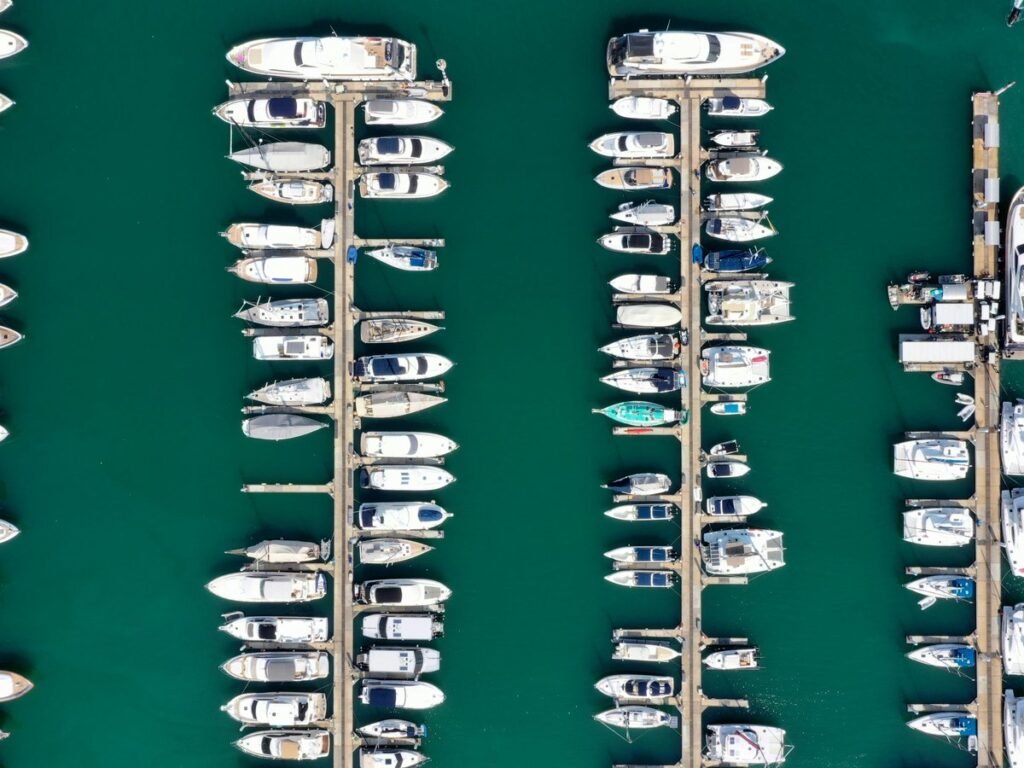
Ko Kaeo sits on the east coast of Phuket in Mueang Phuket District, immediately north of Phuket Town and the Central Festival commercial hub. It is the part of the island most defined by yachting infrastructure rather than beach: two established marina communities dominate the area, Boat Lagoon and Royal Phuket Marina, the latter a holder of five British Yacht Harbour Association Gold Anchor Awards, between them anchoring a mature waterfront and channel residential market that has very little in common with the west-coast bays or with the new east-coast luxury estates further north at Cape Yamu.
For someone considering building or investing here, Ko Kaeo offers something distinct from anywhere else in the series: integrated marina living, urban convenience, and a deep east-coast marine-economy infrastructure. Royal Phuket Marina alone offers condominium units running into nine figures of baht, alongside more accessible Boat Lagoon townhouses, and the wider tambon has the supporting commercial fabric to match. It is also a land category in which the channel and waterway, not the beach, is the central design and value driver, and where most quality positions are inside named master-planned estate developments rather than on independent open-market plots. The honest story of Ko Kaeo is that it is the island’s purest marina-and-waterway address, with the buying decision dominated by which estate or development a buyer is choosing rather than which plot.
This guide is written from an architect’s perspective. It assumes you are at the stage of asking whether Ko Kaeo is right for your project, and what a sound building on land here might actually look like. One regulatory note at the outset: the December 2024 elevation relaxation that matters elsewhere on the island is essentially irrelevant in Ko Kaeo, which is predominantly low and flat coastal-urban land where the estate frameworks and the marina infrastructure, not altitude, define what is possible.
The land, what is actually there
Ko Kaeo occupies a band of low, flat, channel-and-mangrove-edged east-coast land between Phuket Town to the south and the Sapan Hin and outer-bay developments to the north, with the Thep Krasattri Road (Route 402) running along its inland edge. The land divides into the major master-planned marina estates, Boat Lagoon and Royal Phuket Marina, the surrounding established residential and commercial fabric along the Thep Krasattri corridor, and the marina and channel waterfront itself.
This matters for site selection more than it would in most areas, because at Ko Kaeo most quality residential positions sit inside one of the two major estates, and what is being bought is in large part the estate position rather than the bare plot. Boat Lagoon, completed in 2007, offers a wider mix of townhouses, pool villas, hotel and serviced accommodation, dining, retail and supporting services, including a yacht haul-out and chandlery facilities, on a long-established mixed-use plan. Royal Phuket Marina, completed 2016, is the more polished, more luxury-tilted ultra-prime sister address, with high-value condominiums and townhouses on a smaller and more curated footprint and the 5 Gold Anchor Award rating that the Asian superyacht market recognises. The wider tambon between and around them is ordinary urban-coastal Phuket: village land, established residential, commercial frontage along the highway, and the supporting fabric of an east-coast town that is part of greater Phuket Town rather than a separate enclave.
The market here is also smaller and more concentrated than its prominence suggests. Most listings are within the two estates or in their immediate surroundings, and pricing reflects the estate position, the channel frontage, and the marina amenity more than the underlying land.
Zoning, the marina, and title
Phuket construction is governed primarily by the Building Control Act and the Town and City Planning Act, refined by Ministerial Regulations and environmental notifications. In Ko Kaeo the decisive layer for most quality residential positions is the estate framework over the two major marina developments, with ordinary urban residential and commercial zoning applying outside them and the coastal and channel setback applying on any waterway frontage.
Inside the Boat Lagoon and Royal Phuket Marina estates, the covenants, design controls, shared infrastructure, marina-management arrangements, and any leasehold or condominium ownership structures are part of what is being bought. The marina infrastructure itself, the channel, the locks, the haul-out, the dry-stack, and the berthing rights where applicable, is professionally managed and that management is part of the value, but it also constrains what a buyer can do independently. A villa or condominium owner in Royal Phuket Marina or Boat Lagoon is acquiring a position within a controlled community on a managed waterway, and the design controls, the use restrictions, and the operational obligations follow from that. The estate documentation must be reviewed as carefully as the title.
Outside the estates, the ordinary residential and mixed-use zoning applies, with the general inland height position rather than coastal caps, the precise permitted height, area, and use depending on the specific zone, and the access road width and status governing setback and height. On any channel or waterway frontage, the coastal and waterway setback applies and the absolute rule that the channel, the foreshore, and any beach are public stands as it does everywhere on the island. The Ko Kaeo land includes mangrove edges, which carry their own environmental protections that must be confirmed for any specific plot near the waterway.
Title diligence at Ko Kaeo follows the universal rule, with significant structural complexity inside the marina estates. Proceed only on a Chanote, the full freehold title, verified at the Land Office with history, boundary, access and any utility easements confirmed by a qualified lawyer, and where the route is condominium freehold the foreign-quota position must be verified, which is the practical structure for many Royal Phuket Marina buyers. The standard reference points for a Ko Kaeo assessment are the Phuket City Land Use Planning Map for zoning, the estate boundaries and documentation, the coastal and channel setback against the title boundary on any waterway plot, the access road status, the marina-management agreements where applicable, and a clean Land Office and legal check, all verified before any commitment.
What a good Ko Kaeo design responds to
The design drivers in Ko Kaeo are the waterway and marina orientation, the urban-suburban context, the inland east-coast climate, and the estate frameworks.
The waterway and marina orientation is the first and most Ko Kaeo-specific response. Unlike a west-coast villa, a Ko Kaeo property derives its character from the channel and the managed waterway rather than from a beach or an open horizon, and the design logic follows from that. Views are layered along the channel rather than panoramic, vessels are part of the prospect, and the relationship between the building, the berth (where one exists), and the waterway is the central design conversation. The best Boat Lagoon and Royal Phuket Marina residences treat the waterway as the principal frontage, with covered outdoor space and deep overhangs to allow the channel side to be used through the heat of the day, while orienting living and sleeping spaces to take advantage of the morning and shoulder-season light. East-coast humidity and the lower wind exposure compared to the west coast are also material to the design: salt-air detailing remains essential, but the cooling load logic differs.
The urban-suburban context is the second. Ko Kaeo is part of greater Phuket Town rather than a remote enclave, with the highway, the wider commercial fabric, the airport route, and the Central Festival shopping and lifestyle district immediately adjacent, so any building that turns away from the urban side and toward the waterway, with acoustic and privacy management on the road side, sits well. Outside the estates, the urban-residential discipline of a town-edge plot applies.
The inland east-coast climate is the third driver. Ko Kaeo sits on the calmer side of the island, with less monsoon exposure than the west coast but higher humidity and a less reliable cooling sea breeze, so deliberate cross-ventilation, deep overhangs, shaded openings, and high-level heat-exhaust openings reduce the cooling load and protect the long-term fabric of any building, particularly where mangrove edges raise the humidity profile. The estate frameworks are the fourth driver. Inside the marina estates, the covenants and design controls and any rental-pool or hospitality-integration model are part of the brief from the outset, and a project here is most efficient when the architect understands the estate language and the marina operational model before the first sketch. A plot-specific soil and drainage investigation is essential everywhere, with particular attention near mangrove and channel edges where the ground is often soft.
Lifestyle and who Ko Kaeo suits
Ko Kaeo offers a distinctive east-coast lifestyle: marina living with full yacht support and active superyacht and charter infrastructure, immediate access to the Central Festival shopping, dining and cinema district, fifteen to twenty minutes to Phuket Town, twenty-five to thirty minutes to the airport via the eastern route, calm conditions year-round with much less monsoon weather than the west coast, and the practical urban convenience of a town-edge address. It is not a beach lifestyle. It is a waterway lifestyle in a small, established marine-economy quarter, and its appeal is precisely that.
For an architect’s client the choice is well defined. Ko Kaeo suits a buyer building or buying a marina-side residence, a managed condominium within Royal Phuket Marina or a Boat Lagoon townhouse or pool villa, who wants integrated yachting infrastructure, urban convenience, and a calm east-coast position close to the town and the airport, and who accepts that the offering is marina-and-channel oriented rather than beachfront. It also suits buyers of ordinary residential homes in the surrounding established fabric for whom east-coast urban living near Central Festival is the right brief. It is rarely the right area for a buyer wanting a beach lifestyle, never the right area without specialist review of the estate documentation if buying inside a marina development, and a place where the estate structure does much of the work of value protection.
A practical sequence for evaluating a Ko Kaeo property
In Ko Kaeo the order of checks reflects the estate-led structure of the quality market.
Start by establishing whether the property is inside Boat Lagoon, inside Royal Phuket Marina, in their immediate supporting surroundings, or in the wider Ko Kaeo urban-residential fabric, because that determines the entire diligence path. Then review the estate documentation, covenants, design controls, marina-management arrangements, and any condominium freehold or leasehold structure with a qualified lawyer experienced in this segment, alongside the Chanote title verified at the Land Office for any freehold land, with the foreign-quota position verified for condominium units. Then confirm the zoning classification and the permitted height, area, and use for any non-estate plot, the coastal and channel setback on any waterway frontage, and the access road status. Only once these are clear should you commission a plot-specific soil and drainage investigation, with particular attention near the mangrove and channel edges, and a feasibility brief shaped by any estate design requirements.
Most reputable architects on the island, including this practice, will conduct a preliminary land viability assessment before any design work begins. In Ko Kaeo this matters specifically because the difference in price, controls, and design freedom between an estate position and surrounding land is large, and the choice between them needs to be made with the documentation in hand rather than on assumption.
Final thoughts
Ko Kaeo is the most marine of Phuket’s residential areas in the literal sense, organised around managed waterways and yachting infrastructure rather than around beach or hill, and it is the most concentrated marina-led residential market on the island. The dominance of Boat Lagoon and Royal Phuket Marina, the proximity to Phuket Town and Central Festival, and the calmer east-coast climate combine to make it a distinct and complementary option to the rest of the series.
For a buyer who wants integrated marina living and urban east-coast convenience, who accepts that the offering is channel-oriented rather than coastal, and who treats the estate documentation and structural review as the decisive first step alongside the title, Ko Kaeo is a strong and underrated choice. For a buyer chasing a beach lifestyle or independent open-market villa land, it is the wrong area, and for a buyer entering an estate development without specialist review of the covenants and any leasehold or condominium structure, it is a place where what is bought is misunderstood. For the right brief, properly handled, it is a sensible, liquid, well-located address.
If you are weighing a property in Ko Kaeo, the most useful first step is a site assessment that establishes the estate position and documentation, title or condominium structure, channel and waterway relationship, zoning, and access together, not separately. That assessment is offered as the first stage of every project this practice takes on.
Considering property in Ko Kaeo, Phuket Town, Pa Khlok, Cape Yamu, or elsewhere in Phuket? Get in touch for a preliminary land viability assessment. You can also visit our YouTube channel for videos about these areas, and find essential planning advice at www.thetropicalarchitect.com
Note on regulations: zoning, height, coastal and channel setback, estate, and title rules are subject to change and to local enforcement variations, and at Ko Kaeo the estate documentation, design controls, marina-management arrangements, and any condominium or leasehold structure in particular must be verified by a specialist for any specific property. Always confirm current rules and the title, estate position, and structure with the Phuket provincial Department of Public Works and Town and Country Planning office, the Land Office, and a licensed Phuket architect and lawyer with experience of the east-coast marina market before relying on this guide for any acquisition or build decision.