An architect's guide to land viability, the national park reality, and what Phuket's protected northern coast asks of a design.
Mai Khao is the part of Phuket that the rest of the island used to look like, and the reason it still does is the single most important fact about it. Mai Khao Beach, the island’s longest at roughly eleven kilometres, sits inside Sirinat National Park. The park was established in 1981 and expanded in 1992 specifically to bring Mai Khao under protection, and it covers around twenty-two square kilometres of land together with sixty-eight square kilometres of sea. Mai Khao is a legally protected sea turtle nesting beach, holds Phuket’s largest mangrove forest, and sits on the UNESCO World Heritage tentative list. It is not undeveloped by accident. It is undeveloped by law.
For someone considering building here, this changes the entire conversation. Mai Khao is not, as it is often loosely described, a wide-open coastal plain inviting ambitious construction. Large parts of it are protected national park where building is prohibited or severely restricted, and the history of protected land in Phuket being sold privately makes this the single highest-risk area on the island to buy without rigorous verification. The honest story of Mai Khao is that its beauty and its legal protection are the same thing, and a buyer who does not understand that can lose everything committed to a plot.
This guide is written from an architect’s perspective. It assumes you are at the stage of asking whether Mai Khao is right for your project, and what a feasible building on land here might actually look like.
An important update for Mai Khao landowners
The defining facts about Mai Khao are the national park status and the protected-land risk, and they have to come before anything else.
The points worth knowing for Mai Khao specifically:
Mai Khao Beach and a substantial area behind it lie within Sirinat National Park, where building is prohibited or severely restricted, and the park boundary is the decisive fact for any plot near the coast
Mai Khao is a legally protected leatherback sea turtle nesting site, generally from November to February, with active monitored nests, which reinforces the protected status of the coastal strip
The land has Phuket’s largest mangrove forest and protected wetland behind the shore, which carries its own environmental restrictions
The history of protected national park land being sold privately in Phuket, with no statute of limitations on the state reclaiming it and no compensation to the buyer, applies here with more force than anywhere else on the island
The headline December 2024 elevation relaxation is almost irrelevant at Mai Khao. The binding facts are the park boundary, the protected coastal and wetland status, and the title position, not altitude.
The land, what is actually there
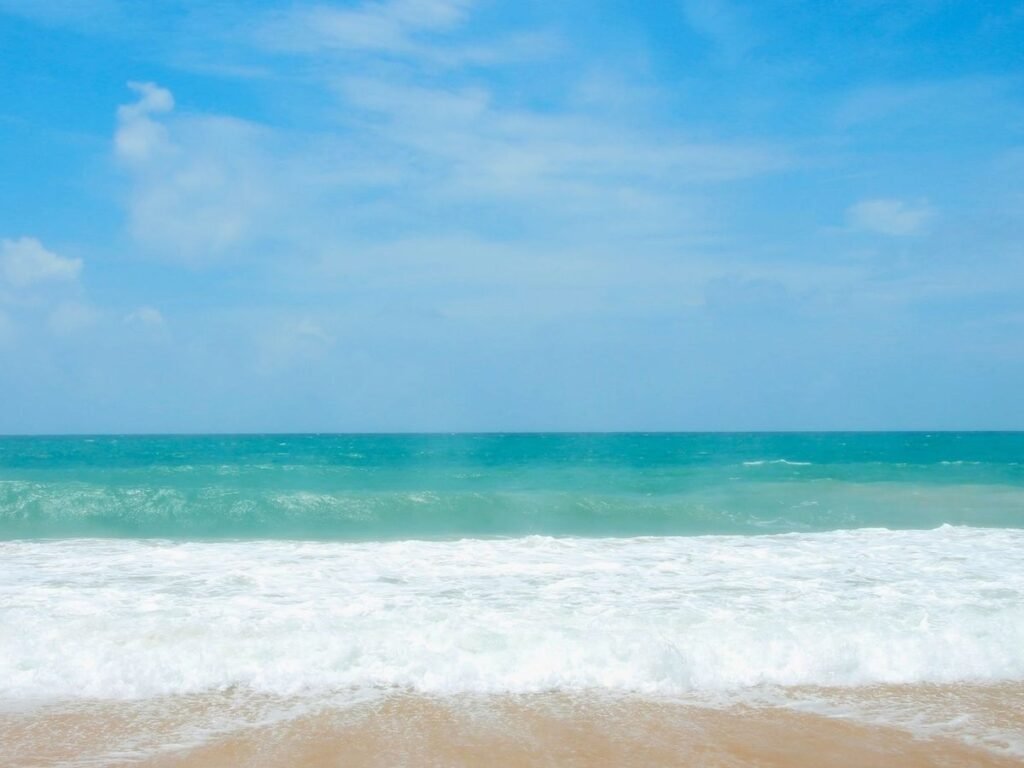
Mai Khao occupies the northwest tip of the island, a long, low, flat coastal plain backed by mangrove, wetland, coastal forest, and dune systems, with the airport at its southern end and gentle land rising toward Thalang inland. The eleven kilometre beach is the longest on Phuket and one of the least developed, with the JW Marriott and a small number of resorts the only significant coastal construction along its length, precisely because the rest is protected.
This matters for site selection more than anywhere else in this series, because at Mai Khao the protected boundary, not the topography, decides whether a plot is buildable at all. Flat, open, apparently available coastal land here is exactly the land most likely to be inside or against the national park, the protected wetland, or the turtle-nesting strip. The land that is genuinely developable is set back from the protected zones, away from the beach and the mangrove, on properly titled plots whose status has been verified. The visual openness of Mai Khao is misleading: it is open because it is protected, not because it is available.
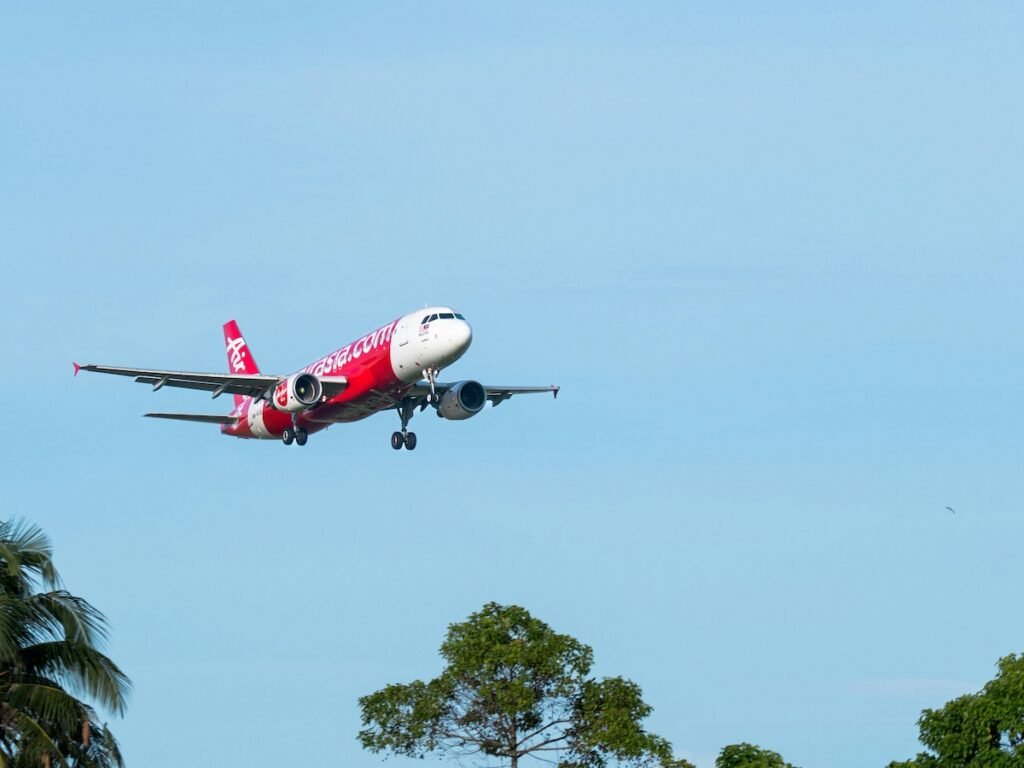
The airport is also a defining feature. The southern section of Mai Khao sits directly under the landing approach to Phuket International Airport, with aircraft passing low over the beach. For a residential project intended for long-term living rather than novelty, the flight path and noise are a real consideration that must be assessed for the specific plot.
Zoning, the national park, and title
Phuket construction is governed primarily by the Building Control Act and the Town and City Planning Act, refined by Ministerial Regulations and environmental notifications, but at Mai Khao the overriding framework is national park and protected-area law, which sits above the ordinary planning rules and is not negotiable.
Within the national park and the protected wetland and mangrove, building is prohibited or severely restricted, and the protected status is enforced by the park administration and national agencies rather than only the provincial planning office. The turtle-nesting beach is actively protected, with monitored and cordoned nests in season, which reinforces the legal protection of the coastal strip. None of this can be altered by a local arrangement or a seller’s assurance. The boundary of the protected area is the first thing that has to be established for any plot, and it is not always obvious on the ground, which is exactly why it is dangerous.
Outside the protected zones, on genuinely developable land set back from the park, the ordinary residential and mixed-use zoning applies, with the general inland height position rather than restrictive coastal caps, the precise permitted height, area, and use depending on the specific zone, and the access road width and status governing setback and height as everywhere on the island. But the existence of buildable land at Mai Khao does not relieve the central requirement, which is proving that a given plot is genuinely outside the protected area before anything else is considered.
Title diligence at Mai Khao is the highest-stakes version of the universal rule anywhere in this series. Phuket has a documented history of protected national park and forest land being sold privately, sometimes with apparently convincing documentation, where the true title remained with the state, there is no statute of limitations on the land being reclaimed, structures can be ordered demolished, and buyers have received no compensation and no legal recourse. Mai Khao, as protected national park land, is precisely the kind of location where this risk is greatest. The only safe basis for proceeding is a Chanote, the full freehold title, verified at the Land Office, with its history and its relationship to the national park boundary independently confirmed by a qualified lawyer, treating that verification as the decisive step on which the entire purchase depends rather than a routine formality.
The standard reference points for a Mai Khao assessment are the Sirinat National Park boundary, the protected wetland and mangrove designations, the Phuket City Land Use Planning Map for any developable land outside the park, and a rigorous Land Office title check, all verified with the national park authority, the provincial Department of Public Works and Town and Country Planning office, and a qualified lawyer before any commitment.
What a good Mai Khao design responds to
For the genuinely developable land set back from the protected zones, the design drivers are the west-coast orientation, the airport flight path, and a coastal environment that demands restraint.
The west-coast orientation is the first response. Mai Khao faces the afternoon and sunset sun, the same condition that punishes a careless design on the rest of the west coast. Deep overhangs, recessed and shaded openings, operable louvres and screens, low-emissivity glazing, and roof forms that shade the western facade are the standard tools, and the open, exposed character of the Mai Khao plain makes shading and wind management more important rather than less.
The airport flight path is a Mai Khao-specific consideration. A plot toward the southern end of the area sits under the landing approach, and for a long-term home rather than a short-stay novelty the acoustic design, glazing specification, and orientation have to take the overflight seriously. This is not a reason to dismiss Mai Khao, but it is a factor that a good design for a permanent residence must address honestly rather than ignore.
The coastal and wetland environment demands restraint even on developable land. Proximity to protected mangrove and wetland raises the water table and the humidity load, the flat coastal ground often has low bearing capacity requiring piled foundations for anything more than a single storey, and drainage is critical because a flat coastal plain near wetland floods and drains slowly, with the heaviest rain late in the year. A plot-specific soil and drainage investigation is essential. Beyond the engineering, a design at Mai Khao that respects the protected setting, modest in footprint, low in profile, light on the land, is both more appropriate to the place and less likely to run into the environmental scrutiny that anything near the protected zones attracts.
Lifestyle and who Mai Khao suits
Mai Khao offers something no other part of Phuket can: a protected, genuinely wild eleven kilometre coast, near-total tranquillity, and the airport ten minutes away, with a small number of high-end resorts and very little else. It has minimal commercial life, with basics found inland toward Thalang and Cherngtalay, and its appeal is precisely the absence of development. It is exclusive not because it is expensive everywhere but because it is protected, which is a different and more durable kind of scarcity.
For an architect’s client the choice is about priorities and, above all, about legal reality. Mai Khao suits a buyer who genuinely wants tranquillity and a protected natural setting, who is building a primary residence or a high-end retreat rather than a yield-driven rental, and who accepts that the developable land is limited, set back from the coast, and subject to the most rigorous due diligence on the island. It is emphatically not an area for a buyer chasing a cheap open coastal plot, because the cheap open coastal plot at Mai Khao is very often the one inside the national park.
A practical sequence for evaluating a Mai Khao plot
At Mai Khao the order of checks is not negotiable, and the first check is the one that protects the buyer from the largest loss.
Start with the national park boundary and the title together, before anything else and before any emotional commitment to a plot. Establish precisely whether the plot lies inside, against, or genuinely outside Sirinat National Park and the protected wetland, and confirm a Chanote verified at the Land Office whose history and relationship to the park boundary have been independently checked by a qualified lawyer. Treat this as the decisive stage on which the entire purchase stands or falls. Only if the plot is confirmed genuinely outside the protected area and the title is confirmed clean should you proceed to the zoning classification, the access road status, the airport flight path assessment, and only then a soil and drainage investigation and a feasibility brief.
Most reputable architects on the island, including this practice, will conduct a preliminary land viability assessment before any design work begins. At Mai Khao this is not a formality and not a sales step. It is the difference between a safe purchase and the loss of everything committed to a plot that turns out to be protected land, and it must come before capital is committed, not after.
Final thoughts
Mai Khao is the most beautiful undeveloped coast on Phuket, and the reason it is undeveloped is the reason it must be approached with more caution than anywhere else on the island. Sirinat National Park, the protected wetland, and the turtle-nesting beach are not obstacles to be worked around, they are the legal facts that define the place, and the openness that makes Mai Khao so appealing is the same openness that makes a protected plot easy to mistake for an available one.
For a buyer who genuinely wants tranquillity and a protected natural setting, who builds modestly and appropriately on genuinely developable land well set back from the park, and who treats the national park and title verification as the decisive first step, Mai Khao can be the most special place to live on the island. For a buyer who sees an open coastal plain and a low price and moves quickly, it is the place on Phuket where the loss can be total. For the right brief, handled with the rigour the location demands, it is exceptional.
If you are weighing a plot in Mai Khao, the most useful and most necessary first step is a site assessment that establishes the national park boundary and the title position first, then zoning, the flight path, and drainage together, not separately. That assessment is offered as the first stage of every project this practice takes on.
Considering land in Mai Khao, Sakhu, Nai Yang, Thalang, or elsewhere in Phuket? Get in touch for a preliminary land viability assessment. You can also visit our YouTube channel for videos about these areas, and find essential planning advice at www.thetropicalarchitect.com
Note on regulations: national park boundaries, protected wetland and mangrove designations, zoning, coastal setback, and title rules are subject to change and to local enforcement variations, and the boundary of Sirinat National Park and the status of any land near it are matters to verify with the utmost care for any plot at Mai Khao. Always confirm current rules and the title and protected-area position with the Sirinat National Park authority, the Phuket provincial Department of Public Works and Town and Country Planning office, the Land Office, and a licensed Phuket architect or legal advisor before relying on this guide for any acquisition or build decision.
Reading this alongside the rest of Phuket
If Mai Khao is on your shortlist, the neighbouring areas are worth reading alongside it, because the land rules and the character of a place change quickly across a few kilometres in Phuket. See the guides to Sakhu, Thep Krasattri and Layan.
Before any specific plot, the four briefings that apply island-wide are the Phuket property overview, what a villa really costs to build, the ownership routes that work for foreigners and the process of buying land. When you are ready to talk about a particular piece of land, this is how the work with Nay runs.