An architect's guide to land viability, the premium coast, and what Phuket's most valuable subdistrict asks of a design.
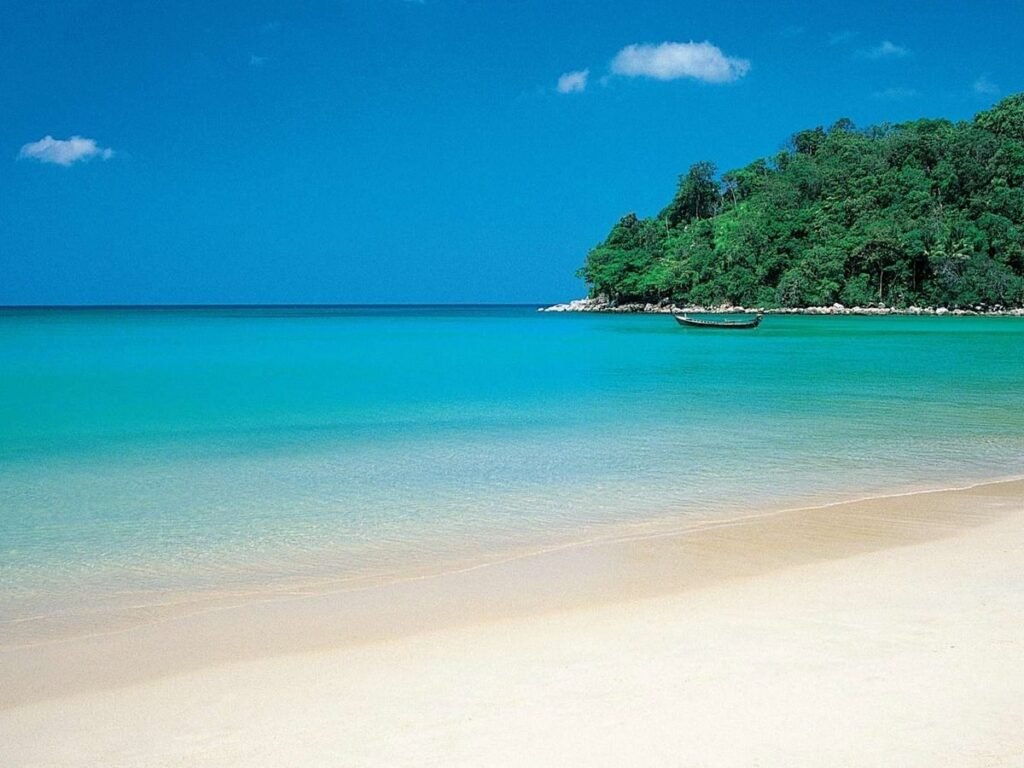
Choeng Thale is where Phuket’s property money concentrates. It occupies the central west coast in Thalang District and contains Bang Tao Beach, Layan, Surin, the Pansea headland, and the master-planned Laguna Phuket resort, which has anchored the area as the island’s premier address for three decades. Land values here are the highest on the island, the market is mature and international, and the surrounding amenity, from Boat Avenue and Porto de Phuket to the Laguna golf and resort estate, is more developed than anywhere else on Phuket’s coast.
For someone considering building here, whether a high-value villa, a primary residence, or an upscale rental, Choeng Thale offers the strongest location and the deepest amenity on the island. It also carries the highest stakes for getting the legal and regulatory groundwork right, simply because the sums involved are the largest. The honest story of Choeng Thale is not whether it is desirable, it plainly is, but that the price of a mistake here is greater than anywhere else covered in this series, which makes disciplined due diligence more important rather than less.
This guide is written from an architect’s perspective. It assumes you are at the stage of asking whether Choeng Thale is right for your project, and what a sensible building on land here might look like.
An important update for Choeng Thale landowners
The most important things to understand about Choeng Thale are about value, context, and the premium coast, rather than a single regulatory change.
The points worth knowing for Choeng Thale specifically:
This is the island’s highest-value coastal area, with Bang Tao, Layan, and Surin beaches and the master-planned Laguna Phuket estate, so the financial exposure in any transaction is larger than elsewhere
Buying inside a planned estate such as Laguna is a different proposition from buying raw land in the surrounding Cherngtalay area, with different rules, structures, and protections, and the two should not be conflated
The coastal setback and the rule that beaches are public apply with full force on the most expensive beachfront land, where the temptation to overstate what a plot includes is greatest
Condominium freehold is a genuinely relevant legal route here in a way it is not in the inland subdistricts, because the developed market offers freehold-titled units within the foreign quota
The headline December 2024 elevation relaxation is secondary along the largely low coastal strip but becomes relevant on the inland and hill plots behind the beaches where buyers chase sea views, which is exactly where slope and elevation rules converge.
The land, what is actually there
Choeng Thale runs along the central west coast, with a flat coastal strip behind Bang Tao’s long bay, the Laguna estate occupying a substantial planned area behind and around it, and low hills rising inland and toward the Surin and Pansea headlands. The land divides into distinct categories that carry very different rules and prices: beachfront and near-beach land, the planned estate land within Laguna, the developed Cherngtalay town and Boat Avenue commercial fabric, and the inland and hill plots where buyers pursue elevated sea views.
This matters for site selection more than the pleasant topography suggests, because the category of land is the whole story in Choeng Thale. Beachfront land is the most expensive and the most regulated, with the coastal setback and public-beach rules applying in full. Estate land within Laguna comes with the protections and the constraints of a master plan and its management structure. The Cherngtalay fabric is convenient but busy and commercial. The inland hill plots offer the sea views buyers most want but bring slope, elevation, and the verification burden that any rising Phuket land carries. The first question for any Choeng Thale plot is which of these categories it falls in, because that determines both its price and its rules.
The maturity of the area also matters. Choeng Thale is developed rather than developing, which means amenity is excellent and established, but it also means that prime land is scarce, premium-priced, and often transacted within sophisticated structures where the due diligence has to match the complexity of what is being sold.
Zoning, the premium coast, and title
Phuket construction is governed primarily by the Building Control Act and the Town and City Planning Act, refined by Ministerial Regulations and environmental notifications. In Choeng Thale the relevant rules are the coastal setback on the beach side, the ordinary residential and mixed-use zoning on the developed land, the slope and elevation rules on the inland hills, and the estate rules where a plot sits within Laguna, so the classification and category of the specific plot are decisive here rather than a formality.
On the beach and coastal side, the coastal setback applies with full force and full financial consequence. Nothing may be built directly on the shore, a setback from the high-tide line applies and is typically reflected in the title boundary, and within the strip closest to the high-tide line building height is restricted, with footprint and open-space limits in these sensitive zones. The rule that beaches are public is absolute and cannot be altered by any local arrangement, which means a beachfront plot does not include the beach and any presentation that implies private beach ownership is misrepresenting the law. On the most expensive land on the island, this is the point where verification matters most.
On the developed and inland land, the zoning is predominantly residential and mixed-use, permissive for the high-value villa, family home, or small mixed-use building typical here. The general inland height position applies away from the coastal caps, but the precise permitted height, area, and use depend on the specific zone and must be confirmed for the individual plot, and the access road width and status govern setback and height as everywhere on the island. On the inland hill plots taken for sea views, the slope rules apply, with a gradient at or above 35 degrees treated as unbuildable and gentler slopes carrying engineering and drainage obligations, and the elevation framework applies on higher ground, so a view plot must be slope and elevation verified before purchase.
Where a plot sits within the Laguna estate, an additional layer applies. A planned estate carries its own covenants, design controls, management arrangements, and sometimes leasehold or condominium structures, and these are part of what is being bought. Buying within Laguna can offer genuine protections and quality assurance, but it also constrains design freedom and carries ongoing obligations, and the estate documentation has to be reviewed as carefully as the title.
Title diligence in Choeng Thale is the highest-stakes version of the universal rule. Proceed only on a Chanote, the full freehold title, verified at the Land Office with its history, boundary, access rights, and any estate or coastal-setback relationship confirmed by a qualified lawyer. Where the route is condominium freehold, the unit must sit within the building’s foreign quota with the quota position verified. The standard reference points for a Choeng Thale assessment are the Phuket City Land Use Planning Map for the zone classification, the plot’s category and its position relative to the beach and any estate, the coastal setback against the title boundary, slope and elevation on any inland view plot, and a clean Land Office title check, all verified with the provincial Department of Public Works and Town and Country Planning office and a qualified lawyer before any commitment.
What a good Choeng Thale design responds to
The design drivers in Choeng Thale are the west-coast orientation, the premium context, and the specific category of the plot.
The west-coast orientation is the first and most demanding response. Choeng Thale faces the afternoon and sunset sun, which is the view buyers pay for and the heat load that punishes a careless design. From early afternoon a west-facing glazed elevation becomes a heat trap without serious mitigation. Good west-coast design frames the sunset rather than surrendering to it: deep overhangs, recessed and shaded openings, operable louvres and screens, low-emissivity glazing, and roof forms that throw shade on the western facade. A pool on the western edge of a plot heats and the deck becomes unusable in the afternoon unless this is designed for. The brief almost every Choeng Thale buyer brings, a wall of glass to the sunset, is precisely the brief that needs the most disciplined architectural answer.
The premium context is the second. At Choeng Thale price points, the build quality, material specification, and detailing have to match the land value, and a poorly specified house on expensive land is a visible and costly error. Material selection for the coastal salt-air environment, durable high-grade finishes, and the integration of pool, landscape, and indoor-outdoor living to a standard the market expects are not luxuries here but the baseline. Where a plot is within an estate, the design must also satisfy the estate’s controls, which is a design input from the outset rather than an approval hurdle at the end.
The inland climate and drainage considerations apply as elsewhere, sharpened by the value at stake. Cross-ventilation, deep shading, and heat-exhaust openings reduce running costs over the building’s life. Drainage and finished floor levels matter on the flat coastal strip where heavy late-year rain and a high water table can combine, and a plot-specific soil investigation is essential rather than optional on land this expensive. For any inland view plot, the slope and elevation constraints can limit what is buildable regardless of design intent, which is the most useful thing an architect can establish before the design conversation begins.
Lifestyle and who Choeng Thale suits
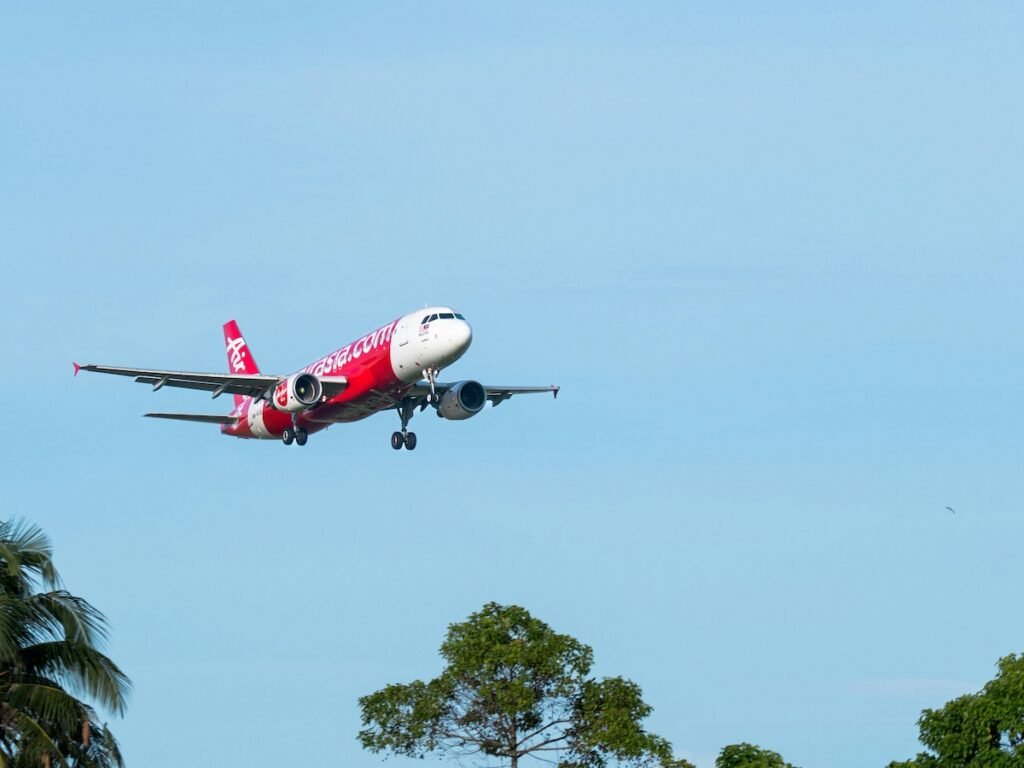
Choeng Thale offers the most developed upscale lifestyle on the island: the Bang Tao and Layan beaches, the Laguna resort and golf estate, beach clubs, and the Boat Avenue and Porto de Phuket dining and retail, with the airport conveniently to the north. It is refined rather than raucous and international rather than local in character. Its appeal is a premium coastal life with established amenity, and its trade is cost and the scarcity of prime land.
For an architect’s client the choice is about priorities and category. Choeng Thale suits buyers building a high-value primary residence, a refined second home, or an upscale rental who want the island’s best location and amenity and accept the premium and the diligence that come with it. It is also the one area in this series where condominium freehold is a genuinely sensible route for a buyer who wants secure freehold title without the complexity of land structures. It is rarely the right area for a budget-led build, and never a place to economise on legal and design diligence given the sums involved.
A practical sequence for evaluating a Choeng Thale plot
In Choeng Thale the order of checks begins with category, because a beachfront plot, an estate plot, a town plot, and an inland view plot are four different decisions with four different rule sets and price levels.
Start by establishing the plot’s category and its position relative to the beach and any planned estate, because that frames everything else. Then confirm the title, a Chanote verified at the Land Office, with boundary, access rights, coastal-setback relationship, and any estate documentation confirmed by a qualified lawyer, or the foreign-quota position if the route is condominium freehold. Then confirm the zoning classification and the permitted height, area, and use for the specific plot, and the access road status. Then, for any inland view plot, commission a slope and elevation survey before going further. Only once these are clear should you commission a soil investigation, a drainage assessment, and the beginning of a feasibility brief.
Most reputable architects on the island, including this practice, will conduct a preliminary land viability assessment before any design work begins. In Choeng Thale this matters most of all, not because the land is difficult, much of it is not, but because the financial exposure is the largest on the island and the structures are the most sophisticated, so the cost of proceeding on an unverified assumption is correspondingly greater.
Final thoughts
Choeng Thale is the best-located and best-served part of Phuket, and for the right buyer it is the strongest place on the island to build. But it is also where buyers commit the most capital, often within the most complex structures, on the most regulated land. The desirability is not in question. What matters is that the scale of the opportunity is matched by the rigour of the diligence, because the same premium that makes Choeng Thale attractive makes any mistake here expensive.
For a buyer who wants the island’s premier coastal location and amenity, who chooses the right category of plot for their brief, and who matches the investment with disciplined legal and design verification, Choeng Thale is the standout choice on Phuket. For a buyer who lets the desirability of the area substitute for diligence, it is the place where errors cost the most. For the right brief, properly handled, it is exceptional.
If you are weighing a plot in Choeng Thale, the most useful first step is a site assessment that establishes the plot’s category, the coastal and estate position, title, zoning, slope where relevant, and drainage together, not separately. That assessment is offered as the first stage of every project this practice takes on.
Considering land in Choeng Thale, Bang Tao, Layan, Surin, or elsewhere in Phuket? Get in touch for a preliminary land viability assessment. You can also visit our YouTube channel for videos about these areas, and find essential planning advice at www.thetropicalarchitect.com
Note on regulations: zoning, height, coastal setback, slope, estate, and title rules are subject to change and to local enforcement variations, and the distinction between estate land and open-market land, and the absolute rule that beaches are public, are matters to verify carefully for any specific plot. Always confirm current rules and the title, category, and position with the Phuket provincial Department of Public Works and Town and Country Planning office, the Land Office, and a licensed Phuket architect or legal advisor before relying on this guide for any acquisition or build decision.
Reading this alongside the rest of Phuket
If Choeng Thale is on your shortlist, the neighbouring areas are worth reading alongside it, because the land rules and the character of a place change quickly across a few kilometres in Phuket. See the guides to Bang Tao, Layan, Surin and Si Sunthon.
Before any specific plot, the four briefings that apply island-wide are the our Phuket market overview, a realistic build-cost breakdown, foreign ownership structures in Phuket and what land due diligence looks like here. When you are ready to talk about a particular piece of land, talk to Nay about the plot.