An architect's guide to land viability, the working harbour, and what Phuket's busiest pier district asks of a design.
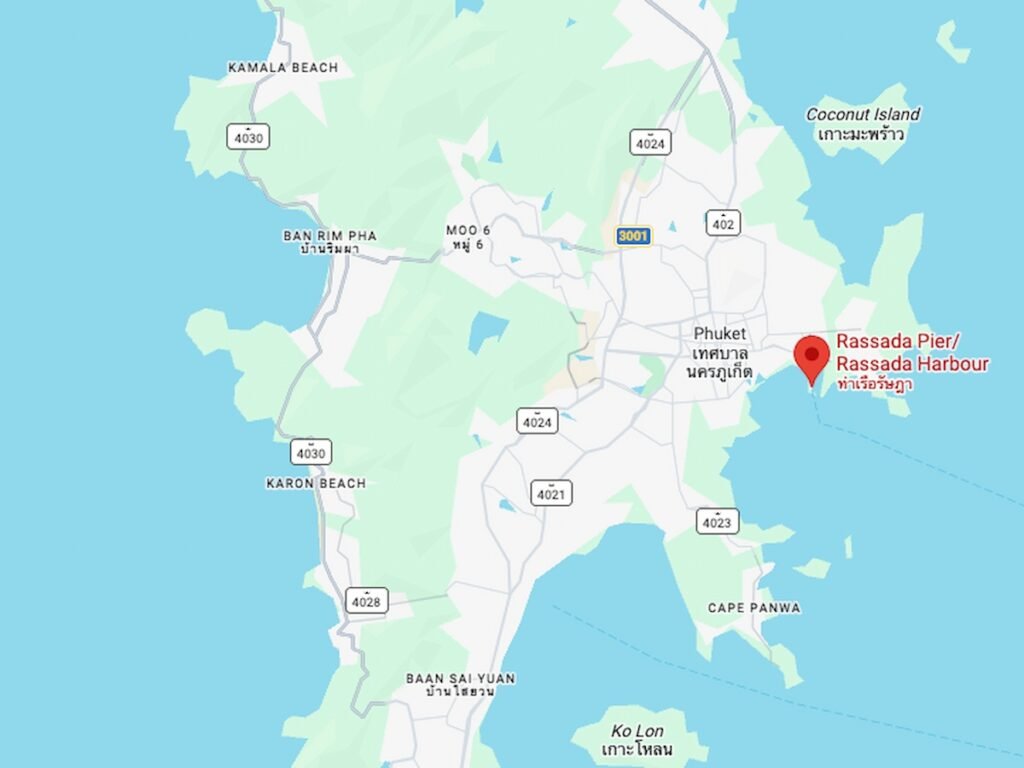
Ratsada is the part of Phuket that almost every island visitor passes through and almost no guidebook describes honestly. It sits on the southeast coast in Mueang Phuket District, just southeast of Phuket Town, and it is defined by Rassada Pier, the main passenger ferry and speedboat terminal connecting Phuket to Phi Phi, Krabi, Koh Lanta and the wider Andaman islands, alongside a working fishing harbour. It is urban, busy, functional, and among the more affordable parts of the island, and it makes no attempt to be scenic.
For someone considering building here, whether an affordable city-edge home, a long-term residence, or a rental, Ratsada offers genuine value and strong city and transport access. But the defining fact about Ratsada is that it is a working harbour and transport hub, not a residential coast, and the honest task here is weighing real affordability and access against the operational, busy character of a district built around a pier.
This guide is written from an architect’s perspective. It assumes you are at the stage of asking whether Ratsada is right for your project, and what a sensible building on land here might look like.
An important update for Rassada landowners
The most important thing to understand about Ratsada is the nature of its coast. Ratsada has a real southeastern coastline, but it is a harbour and ferry-terminal coast, not an amenity beach coast.
The points worth knowing for Ratsada specifically:
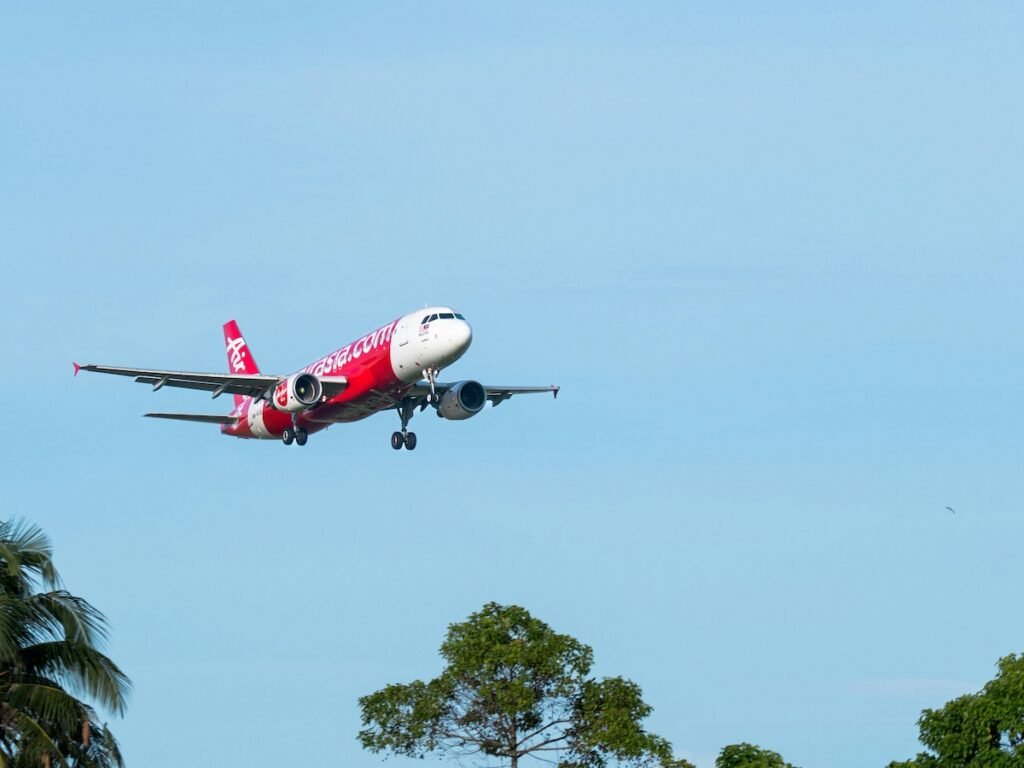
Rassada Pier is the island’s primary passenger ferry and speedboat terminal, running hundreds of sailings weekly to Phi Phi, Krabi, Koh Lanta and other Andaman destinations, alongside a working fishing harbour
The pier and harbour generate heavy traffic, particularly in the high season from November to April, and the area around it is operational and congested rather than calm
The coastline is a working harbour with associated mangrove and channel shoreline, where coastal setback and environmental rules apply, and proximity to the pier is a constraint rather than a benefit for a home
The inland and residential parts of Ratsada, set back from the pier and nearer Phuket Town, are the genuinely practical side, affordable and well connected, where most sensible Ratsada homes belong
The headline December 2024 elevation relaxation is largely secondary here, because Ratsada is mostly low-lying. The decisive issue is the relationship between a plot and the working harbour, not altitude.
The land, what is actually there
Ratsada occupies low, largely flat coastal and urban land on Phuket’s southeast, continuous with Phuket Town to its west and running to the harbour and pier on its eastern shore. Low hills rise in places. The defining physical features are the pier, the harbour, the fishing port, and the road network that funnels ferry and tourist traffic through the district, alongside the ordinary urban fabric of a city-edge subdistrict.
This matters for site selection more than the gentle topography suggests, because position relative to the pier is the whole story. A plot in the residential streets set back from the harbour, closer to the city, is an affordable and well-connected home site. A plot near the pier and harbour sits in an operational, congested, working environment with heavy seasonal traffic, and is poorly suited to comfortable residential use regardless of how flat and cheap the land is. The two can be close together and carry very different value and livability. The first question for any Ratsada plot is its position relative to the harbour and the pier traffic, not its topography.
The busy-area character also matters. Ratsada is functional and developing rather than settled and quiet, and the trajectory of the immediate surroundings, the pier operations, the road usage, and any planned harbour or infrastructure works, is part of an honest assessment, not a detail.
Zoning, the harbour, and title
Phuket construction is governed primarily by the Building Control Act and the Town and City Planning Act, refined by Ministerial Regulations and environmental notifications. In Ratsada the relevant rules differ between the inland residential side and the harbour-and-coast side, so the zoning classification of the specific plot is decisive here rather than a formality.
On the inland residential side, the zoning is predominantly residential and mixed-use, permissive for the single house, family home, or small mixed-use building most buyers here want. The general inland height position applies rather than restrictive coastal caps, but the precise permitted height, area, and use depend on the specific zone colour and must be confirmed for the individual plot. As elsewhere on the island, planning rules tie permitted height and required setback to the width of the access road, so the road serving a plot is part of the core feasibility question on Ratsada’s busy network, not a detail.
On the harbour and coastal side, the position is different. This is a working port and fishing harbour with associated channel and mangrove shoreline. Coastal setback rules apply, with no building directly on the shore and a setback from the high-tide line typically reflected in the title boundary, and environmental constraints apply where mangrove and sensitive shoreline are present. Beyond the formal rules, the practical reality is that the harbour coast is not a residential amenity. Proximity to the pier brings traffic, noise, and an operational environment, so a plot’s suitability as a home falls rather than rises as it nears the harbour, which is the opposite of the relationship buyers usually assume between a plot and the sea.
Title diligence in Ratsada follows the universal rule. Proceed only on a Chanote, the full freehold title, verified at the Land Office with its history and access rights confirmed by a qualified lawyer. The standard reference points for a Ratsada assessment are the Phuket City Land Use Planning Map for the zone classification, the plot’s position relative to the pier and harbour, the access road status and width, and a clean Land Office title check, all verified with the provincial Department of Public Works and Town and Country Planning office and a qualified lawyer before any commitment.
What a good Ratsada design responds to
On the residential inland side, where sensible Ratsada homes are built, the design drivers are the busy urban context and the inland climate rather than dramatic site constraints.
The urban context is the first response and it is more demanding here than in a quieter city-edge area, because Ratsada carries pier and tourist traffic. The design work is about creating calm and privacy within a busy, sometimes congested setting: orientation that places living and sleeping space away from road and traffic noise, robust acoustic detailing toward busy frontages, screening and buffer planting to the street, and internal courtyards or garden cores that turn the house inward where the surroundings do not offer a pleasant outlook. A house that ignores the traffic reality of Ratsada is comfortable on the plan and difficult to live in.
The inland climate is the second. The residential side does not receive a usable cooling sea breeze, so deliberate ventilation design matters. Cross-ventilation must be planned into the layout, deep overhangs and shaded openings reduce the cooling load, and high-level openings to exhaust heat keep the house workable without total reliance on air conditioning. These standard tropical disciplines determine whether running costs are low or high over the building’s life.
Drainage is the quieter consideration. Low-lying coastal-urban land near a harbour can hold water in heavy rain and can be affected by the combination of high tide and storm runoff, and the heaviest rain comes late in the year. Finished floor levels and stormwater handling deserve real attention even where a site looks benign in the dry season, and a plot-specific soil investigation should confirm the often soft coastal ground rather than assume it. For any plot near the harbour itself, the design conversation is harder, because traffic, noise, and the operational character of the port are constraints a design cannot fully overcome, which is itself the most useful thing an architect can tell a buyer about that part of Ratsada.
Lifestyle and who Ratsada suits
Ratsada offers urban practicality and access rather than charm. It has the everyday fabric of a working city-edge district, local markets and food, and unmatched onward transport because the island’s main passenger pier is here, with Phuket Town and its services minutes away. It is not a tourism-amenity area for residents and not a scenic one. Its appeal is affordability and connectivity in a busy, functional setting.
For an architect’s client the choice is about priorities and, as in the other harbour-influenced subdistricts, about position within the area. The inland residential side suits buyers building an affordable primary residence or a long-term home who value low land cost and city and transport access over scenery, and who accept a busy, developing setting. The harbour edge is not a residential recommendation and is best understood as an operational area to be aware of rather than to build a home beside. Ratsada is rarely the right answer for a tourism-yield residential investment, and never a sound one on the basis of treating the pier coast as a seaside benefit.
A practical sequence for evaluating a Ratsada plot
In Ratsada the order of checks begins with the harbour relationship, because that single fact drives livability and value more than anything else.
Start by establishing the plot’s position relative to the pier and harbour and to the pier traffic routes, because that determines whether it is a viable home site at all. Then confirm the title, a Chanote verified at the Land Office with access rights confirmed by a qualified lawyer. Then confirm the zoning classification and the permitted height, area, and use for the specific plot, and check the access road width and status since it governs setback and height. Then read the surrounding traffic and development trajectory honestly. Only once these are clear should you commission a soil investigation, a drainage assessment, and the beginning of a feasibility brief.
Most reputable architects on the island, including this practice, will conduct a preliminary land viability assessment before any design work begins. In Ratsada this matters specifically because a cheap, flat, available plot can be a poor place to live if it sits in the path of the harbour’s traffic and operations, and that distinction is worth establishing before capital is committed rather than after.
Final thoughts
Ratsada is a genuinely useful place to build, on the right side of it. The inland residential area offers affordability and city and transport access that are hard to match so close to Phuket Town. But Ratsada is a working ferry and fishing harbour district, not a tranquil coast, and the central skill in buying here is reading a plot’s relationship to the pier and its traffic before anything else.
For a buyer who wants an affordable, well-connected home near the city and who chooses a plot well away from the harbour’s operational edge, Ratsada is one of the more practical options on the island. For a buyer who assumes its coast is a seaside benefit, or who underestimates the pier traffic, it is a place where a poor choice is easy to make. For the right brief, on the right side, it works well and represents real value.
If you are weighing a plot in Ratsada, the most useful first step is a site assessment that establishes position relative to the harbour, title, zoning, access, and the traffic and development trajectory together, not separately. That assessment is offered as the first stage of every project this practice takes on.
Considering land in Ratsada, Wichit, Phuket Town, Chalong, or elsewhere in Phuket? Get in touch for a preliminary land viability assessment. You can also visit our YouTube channel for videos about these areas, and find essential planning advice at www.thetropicalarchitect.com
Note on regulations: zoning, height, setback, environmental, and access rules are subject to change and to local enforcement variations, and the distinction between Ratsada’s residential areas and its working harbour edge in particular is a matter to verify carefully for any specific plot. Always confirm current rules and the title, zoning, and position with the Phuket provincial Department of Public Works and Town and Country Planning office, the Land Office, and a licensed Phuket architect or legal advisor before relying on this guide for any acquisition or build decision.
Reading this alongside the rest of Phuket
If Rassada is on your shortlist, the neighbouring areas are worth reading alongside it, because the land rules and the character of a place change quickly across a few kilometres in Phuket. See the guides to Talad Yai, Ko Kaeo and Wichit.
Before any specific plot, the four briefings that apply island-wide are the the island-wide property overview, current villa build costs in Phuket, how foreigners can legally hold property here and buying land in Phuket as a foreigner. When you are ready to talk about a particular piece of land, see the Architect Phuket process.